
- E-mail : info@wellonapharma.com
- Call : +91-261-2571244
- Mob: +91-7490041245

Antiparasitic medicines are an important part of pharmaceutical portfolios serving markets where the prevention and treatment of specific parasitic infections remain healthcare priorities. For pharmaceutical importers, distributors, wholesalers and brand owners, choosing a reliable Antiparasitic Suspension Manufacturer involves evaluating product specifications, manufacturing quality, packaging, regulatory documentation and international supply capabilities.
Albendazole and ivermectin are established antiparasitic active ingredients, but they have different indications and must be used according to approved product information and applicable medical guidance. Depending on the product portfolio and regulatory requirements, pharmaceutical buyers may explore oral suspensions and other appropriate dosage forms to meet local market needs. Availability of a particular suspension, strength or combination should always be confirmed with the manufacturer.
Wellona Pharma is a pharmaceutical manufacturer and exporter based in Surat, Gujarat, India, with a portfolio covering multiple pharmaceutical dosage forms, including syrups and suspensions. Buyers can explore the company's syrup category and relevant antiparasitic products to learn more about its product categories and discuss current requirements.
Antiparasitic medicines are used against particular parasites, with product selection depending on the organism, infection, patient characteristics and approved indication. Oral suspensions are liquid dosage forms in which the active ingredient is dispersed throughout a liquid vehicle. Depending on the formulation, the product may require shaking before use to help ensure a consistent dose.
For pharmaceutical businesses, suspensions may be relevant when a liquid dosage form is required for the intended patient group or market. However, the suitability of a suspension depends on the specific medicine, formulation, approved use and regulatory status. Buyers should not assume that every antiparasitic active ingredient is available in every dosage form or strength.
When assessing an antiparasitic suspension supplier, pharmaceutical companies should review the product composition, strength, dosage instructions, storage requirements, packaging and documentation. These details help establish whether a product meets the technical and commercial requirements of the intended market.
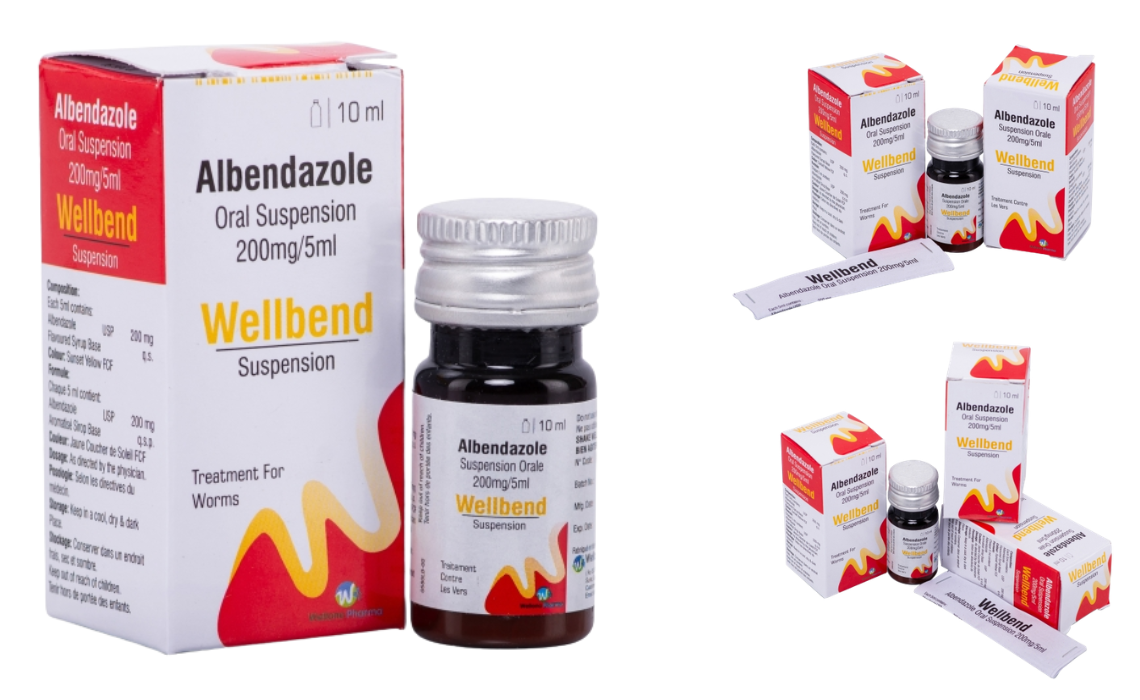
Albendazole is an anthelmintic medicine used for certain infections caused by parasitic worms. Its approved uses vary by product and jurisdiction, so pharmaceutical buyers should consult the applicable product information and local regulatory requirements before planning a product launch or distribution arrangement.
Albendazole oral suspension may be considered by buyers seeking liquid formulations for specific markets, where an appropriate product is available and authorised. The formulation, concentration, pack size and approved indications should be verified directly rather than assumed from the active ingredient alone.
The US Centers for Disease Control and Prevention guidance on intestinal parasitic infections provides an example of how treatment choices depend on the infection and clinical context. It is important for pharmaceutical companies to ensure that product information and marketing materials remain consistent with authorised indications and current local guidance.
Ivermectin is an antiparasitic medicine used for certain parasitic conditions. Its suitability depends on the specific infection, patient factors and approved product information. Different ivermectin products may have different routes of administration, strengths and indications, and a product intended for one use should not be assumed suitable for another.
For buyers investigating ivermectin suspension, the first step is to confirm whether the required human-use formulation is available and authorised in the intended market. The manufacturer should provide the precise composition, strength, dosage form, pack details and relevant product documentation for evaluation.
Pharmaceutical buyers should also exercise caution when evaluating combination products containing albendazole and ivermectin. The ingredients have distinct properties, and a combination must have appropriate supporting evidence, approved indications and regulatory authorisation. Availability of a combination in one market does not automatically establish approval or suitability in another.
For background on the use of these active ingredients, buyers can consult the European Medicines Agency's information on ivermectin and albendazole. Product-specific details and approved presentations should always be checked against the latest relevant documentation.
Quality assurance is a key factor when choosing an Antiparasitic Suspension Manufacturer. Liquid pharmaceutical formulations require suitable controls to help ensure that each batch meets its established specifications. These controls should reflect the ingredients, formulation, dosage form, manufacturing process and applicable regulatory standards.
Depending on the product, relevant quality activities may include:
The specific tests and acceptance criteria must be appropriate for the formulation and applicable requirements. Buyers should request relevant product specifications and available documentation during supplier evaluation rather than relying solely on general quality statements.
Wellona Pharma provides information about its quality control and quality assurance processes and its quality policy. Pharmaceutical businesses can use these pages as a starting point and contact the company to clarify product-specific quality requirements and documentation.
Packaging is especially important for liquid pharmaceutical products because the container, closure and storage conditions can influence product integrity throughout distribution. The packaging configuration should be compatible with the formulation and suitable for the handling conditions expected in the destination market.
Before confirming an order, buyers should discuss the following points:
For international supply, labels and accompanying documentation may need to meet local language, registration and product information requirements. The importing business should confirm these obligations with the relevant regulatory authority or a qualified regulatory adviser before approving artwork or arranging shipment.
International pharmaceutical procurement involves more than selecting a product and agreeing on a price. Importers must consider product registration, applicable manufacturing and quality requirements, customs documentation, shipping arrangements and local distribution rules. The requirements vary by country and by the medicine being imported.
When evaluating an export-oriented pharmaceutical supplier, buyers should establish which documents can be provided for the specific product and destination. Depending on local requirements, these may include product specifications, certificates or other regulatory documents, batch-related records, invoices, packing lists and transport documentation. Not every document applies to every transaction, so the requirements should be agreed in advance.
Buyers should also clarify order quantities, lead times, packaging specifications, payment terms, shipping responsibilities and procedures for handling damaged goods or quality complaints. Clear communication before purchase can reduce misunderstandings and help both parties coordinate supply more effectively.
Wellona Pharma's international pharmaceutical supply capabilities can be discussed directly with its team. Visit the contact page to enquire about product availability, export documentation and the requirements for your destination market.
Third-party manufacturing can offer pharmaceutical companies and brand owners a way to source products through an external manufacturing partner. Depending on the manufacturer's capabilities and the product's regulatory status, this arrangement may help businesses develop or expand a portfolio without establishing their own manufacturing infrastructure.
For antiparasitic suspensions, buyers should first confirm whether the requested formulation is available and whether it can be manufactured and supplied for the intended market. Any proposed arrangement should clearly define product specifications, approved labelling, quality responsibilities, documentation, minimum order quantities and production timelines.
Businesses considering an external manufacturing arrangement can review Wellona Pharma's third-party manufacturing services and contract manufacturing information. The company should be contacted to confirm whether the required active ingredient, dosage form and commercial arrangement can be supported.
A structured supplier evaluation helps pharmaceutical importers and distributors make informed sourcing decisions. Consider these steps before finalising a purchase:
Comparing suppliers against these practical criteria can help businesses evaluate more than price alone. A suitable partner should provide clear product information and realistic commitments while supporting the buyer's quality and regulatory review process.
An antiparasitic suspension manufacturer produces liquid formulations containing medicines intended for specific parasitic infections. Available ingredients, strengths and dosage forms depend on the manufacturer's portfolio and the applicable regulatory approvals.
Albendazole oral suspension products are available in some markets. Buyers should confirm the exact formulation, strength, current availability and regulatory status with the supplier and relevant authorities in the destination country.
Availability depends on the specific human-use formulation, manufacturer and target market. Buyers should verify the dosage form, route of administration, approved indications and supporting documentation before placing an order.
Relevant controls may include ingredient verification, assay, physical suspension characteristics, microbiological quality, stability assessment, packaging checks and batch documentation. The required tests depend on the individual product and applicable standards.
Importers should confirm product registration, approved indications, packaging and labelling requirements, available technical documentation, import permissions and shipping arrangements for the destination market.
Third-party manufacturing may be possible when the requested product falls within the manufacturer's capabilities and meets applicable regulatory requirements. Formulation availability, minimum order quantities, production schedules and commercial terms should be confirmed directly.
Contact the manufacturer with the required active ingredient, dosage form, strength, estimated quantity and destination country. Providing these details helps the supplier assess availability and identify the relevant commercial and documentation requirements.
Finding the right Antiparasitic Suspension Manufacturer requires careful evaluation of product availability, formulation quality, packaging, regulatory compliance and international supply arrangements. Pharmaceutical importers, distributors, wholesalers and brand owners should verify these details before committing to a purchase or market launch.
Wellona Pharma, based in Surat, Gujarat, India, offers pharmaceutical manufacturing and export-related services across multiple dosage forms. Explore the company's antiparasitic product category, review its anthelmintic products, and discuss your specific requirements with the team. Availability of albendazole, ivermectin or combination suspensions should be confirmed directly.
Looking for a pharmaceutical supply partner for your international market? Contact Wellona Pharma to enquire about current product availability, technical documentation, third-party manufacturing and export requirements for your business.