
- E-mail : info@wellonapharma.com
- Call : +91-261-2571244
- Mob: +91-7490041245

Contract manufacturing has become an important business model for pharmaceutical companies looking to expand their product portfolios, enter new markets, or access specialized manufacturing capabilities without establishing their own production infrastructure. For injectable medicines, choosing the right manufacturing partner is particularly important because injectable products require controlled manufacturing processes, appropriate quality systems, suitable packaging, and product-specific regulatory compliance.
For pharmaceutical companies, distributors, exporters, and healthcare businesses, contract injectable manufacturing in India can provide access to established pharmaceutical manufacturing capabilities and a broad range of finished formulations. Wellona Pharma offers pharmaceutical manufacturing and sourcing solutions for companies looking to develop, source, or expand their injectable product portfolios.
Businesses can explore the Wellona Pharma pharmaceutical product portfolio to understand the broader range of finished pharmaceutical products available for sourcing and manufacturing discussions.
Contract injectable manufacturing is a business arrangement in which a pharmaceutical company engages a qualified manufacturing partner to produce injectable medicines according to agreed product specifications, quality requirements, packaging configurations, and applicable regulatory standards.
The pharmaceutical company may be responsible for activities such as product selection, marketing, distribution, or regulatory strategy, while the manufacturing partner manages the agreed production activities. Responsibilities vary according to the contract and the regulatory requirements of the target market.
This model can be particularly useful for companies that want to introduce injectable products without investing in their own manufacturing facilities, equipment, personnel, and production infrastructure.
India has an established pharmaceutical manufacturing ecosystem serving domestic and international markets. The country offers manufacturing capabilities across numerous pharmaceutical dosage forms and therapeutic categories.
For companies evaluating an Indian contract manufacturing partner, the key consideration should be the capabilities of the individual manufacturer. Important factors include manufacturing infrastructure, quality systems, injectable production capabilities, documentation, regulatory experience, production capacity, packaging options, and supply-chain support.
A qualified Indian manufacturing partner can potentially help pharmaceutical businesses streamline product sourcing and expand their portfolios while avoiding the capital investment associated with establishing new production infrastructure.
The availability of contract manufacturing depends on the manufacturer's approved product portfolio, production capabilities, regulatory permissions, and target-market requirements. A broad injectable portfolio may include multiple therapeutic categories.
Companies should confirm the specific formulation, strength, dosage form, packaging, minimum order quantity, and regulatory status with the manufacturer before entering into a commercial arrangement.
Quality assurance is one of the most important considerations when selecting a contract injectable manufacturer. Injectable medicines require controlled production processes because they are administered through an injectable route.
Manufacturing quality systems should address areas such as raw-material qualification, formulation, production controls, filling, sealing, inspection, testing, packaging, documentation, and batch traceability.
The World Health Organization Good Manufacturing Practices guidance provides a recognized framework for pharmaceutical manufacturing and quality assurance.
Companies should independently evaluate the manufacturing partner's quality systems and confirm that the products and processes are suitable for the intended market.
The manufacturing process begins with the materials used to produce the pharmaceutical formulation. Contract manufacturers should have appropriate procedures for sourcing, receiving, identifying, testing, and releasing raw materials and packaging components.
Supplier qualification can help ensure that materials used in production meet established specifications. Controlled procurement and material-handling processes also contribute to batch consistency and traceability.
For contract manufacturing projects, the pharmaceutical company and manufacturer should establish clear responsibilities regarding raw-material sourcing, specifications, approved suppliers, testing, and documentation.
Injectable manufacturing involves controlled production steps that depend on the formulation and manufacturing process. These may include solution preparation, filtration or other processing operations, filling, sealing, inspection, and finished-product testing.
Sterile injectable products require appropriate environmental and process controls designed to minimize contamination risks. The exact manufacturing requirements depend on the individual product and its approved manufacturing process.
For companies looking to source several injectable categories, working with an established injectable pharmaceutical manufacturer can provide a starting point for evaluating manufacturing capabilities.
Quality control is essential for ensuring that manufactured batches meet their established specifications. Depending on the formulation, testing may cover parameters such as identity, assay, appearance, pH, sterility, particulate matter, moisture content, and other product-specific attributes.
The exact tests and acceptance criteria depend on the formulation, approved specifications, pharmacopoeial requirements, and applicable regulations.
Batch documentation also provides traceability throughout the manufacturing process. Pharmaceutical companies may require certificates, specifications, batch records, analytical documentation, and other technical information as part of their quality-assurance and supplier-qualification processes.
Packaging is an important part of contract manufacturing. Injectable medicines may be supplied in vials, ampoules, or other approved presentations depending on the formulation and market requirements.
Primary packaging must be appropriate for the formulation and capable of protecting product integrity throughout its approved shelf life. Secondary packaging and labeling must also comply with the requirements of the target market.
Before manufacturing begins, the pharmaceutical company and contract manufacturer should agree on pack size, artwork, labeling information, language requirements, packaging components, serialization requirements where applicable, and other market-specific details.
Regulatory requirements vary according to the country where the finished pharmaceutical product will be marketed. A product intended for domestic distribution may have different registration and documentation requirements from a product intended for export.
Contract manufacturing agreements should clearly establish responsibility for regulatory submissions, product registrations, technical documentation, artwork approvals, variations, and other compliance activities.
International buyers should also verify whether the manufacturer's documentation and production capabilities satisfy the regulatory expectations of the destination country.
Contract manufacturing can offer several potential advantages to pharmaceutical businesses:
The actual benefits depend on the selected manufacturer, contract structure, product requirements, order volumes, and regulatory responsibilities.
Choosing a contract manufacturing partner requires careful evaluation. Pharmaceutical companies can consider the following factors before finalizing a supplier:
A detailed evaluation can help pharmaceutical companies establish a manufacturing relationship that supports both immediate requirements and long-term portfolio development.
Contract injectable manufacturing can serve different types of pharmaceutical businesses. Established pharmaceutical companies may use it to expand production capacity, while distributors and exporters may use contract manufacturing to develop private-label portfolios.
Companies entering a new therapeutic category can also consider contract manufacturing as a way to evaluate market opportunities without immediately investing in manufacturing infrastructure.
However, every product should be evaluated according to its regulatory status, commercial potential, manufacturing requirements, target-market demand, and applicable quality standards.
International pharmaceutical supply requires coordination between manufacturing, regulatory, documentation, packaging, logistics, customs, and distribution activities.
For export-oriented contract manufacturing, companies should discuss destination-market requirements at the beginning of the project. This can help align product specifications, labeling, packaging, documentation, and regulatory responsibilities before commercial production begins.
Wellona Pharma supports pharmaceutical sourcing from India for customers with domestic and international requirements. Companies can review Wellona Pharma's company information to learn more about its pharmaceutical business.
Pharmaceutical companies should avoid selecting a contract manufacturer solely on the basis of the lowest quoted price. Injectable manufacturing involves quality, regulatory, technical, and supply-chain considerations that can have a significant impact on the overall project.
Other common mistakes include failing to verify manufacturing capabilities, not defining documentation responsibilities, overlooking market-specific labeling requirements, insufficiently reviewing production capacity, and not discussing future volume requirements.
A detailed technical and commercial evaluation before signing an agreement can help prevent misunderstandings and support a more effective long-term manufacturing relationship.
Contract injectable manufacturing is an arrangement where a pharmaceutical company outsources the production of injectable medicines to a qualified manufacturing partner according to agreed specifications, quality requirements, and regulatory responsibilities.
India has an established pharmaceutical manufacturing ecosystem and offers manufacturing capabilities across multiple finished dosage forms. Buyers should evaluate each manufacturer's specific injectable capabilities, quality systems, documentation, capacity, and regulatory suitability.
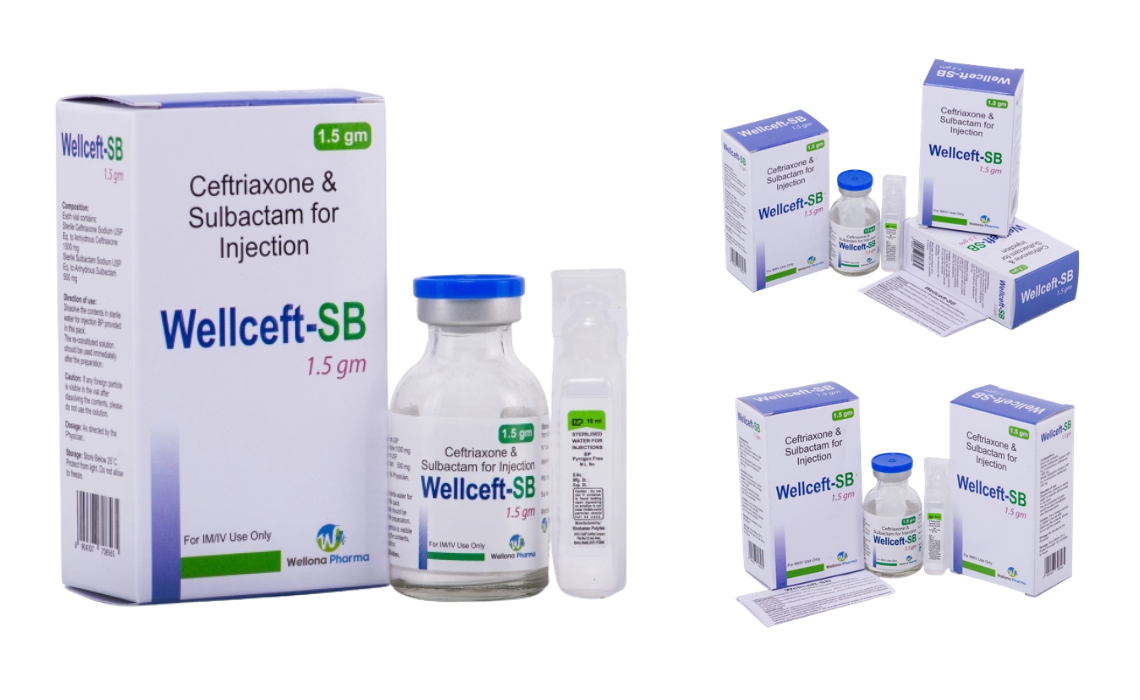
Depending on the manufacturer's portfolio and approvals, contract manufacturing may cover injectable antibiotics, oncology products, critical-care medicines, anesthesia products, pain-management injections, vitamins, emergency medicines, antimalarial products, and other approved formulations.
Evaluate manufacturing infrastructure, quality systems, product portfolio, regulatory documentation, production capacity, packaging capabilities, technical support, supply reliability, and experience with your target market.
Yes, suitable manufacturers may support international pharmaceutical sourcing and export requirements. Destination-market regulations, product registration, labeling, documentation, and logistics should be discussed before production.
Wellona Pharma provides pharmaceutical manufacturing and sourcing solutions. Companies should contact the manufacturer directly to discuss specific injectable formulations, quantities, packaging, regulatory requirements, and current manufacturing availability.
Successful contract manufacturing depends on selecting a partner that can meet the required standards for product quality, manufacturing capability, documentation, packaging, regulatory compliance, and supply reliability. For companies looking to expand their injectable portfolios, contract injectable manufacturing in India can provide a practical route to accessing established pharmaceutical production capabilities.
Wellona Pharma offers pharmaceutical manufacturing and sourcing solutions across multiple finished pharmaceutical categories. Whether you are looking for injectable antibiotics, oncology products, critical-care medicines, anesthesia injections, vitamins, emergency medicines, antimalarial products, or other pharmaceutical formulations, requirements can be evaluated according to product specifications and target-market needs.
Planning to outsource injectable pharmaceutical manufacturing? Contact Wellona Pharma to discuss your product requirements, manufacturing quantities, packaging options, documentation, contract manufacturing, and domestic or international supply needs.