
- E-mail : info@wellonapharma.com
- Call : +91-261-2571244
- Mob: +91-7490041245

Cough syrups remain an important segment of the pharmaceutical formulations market, serving different product requirements across retail pharmacies, healthcare distributors and institutional supply channels. For pharmaceutical companies, selecting a reliable Cough Syrup Manufacturer involves evaluating formulation availability, manufacturing capabilities, quality systems, packaging, documentation and the ability to meet market-specific requirements.
The category includes several types of formulations, such as cough suppressants, expectorants, mucolytics and combination cough syrups. Each group serves a different purpose, and the suitability of a formulation depends on its ingredients, approved indications and intended patient population. Product availability, strengths and combinations can also differ between manufacturers and markets.
For importers, wholesalers, distributors and pharmaceutical brand owners, a dependable supply partner can help simplify product sourcing and support long-term business planning. Wellona Pharma, based in Surat, Gujarat, India, offers pharmaceutical formulations across multiple dosage forms, including syrups and suspensions. Businesses can explore the syrup product category and contact the company to discuss specific product requirements.
A cough is a symptom rather than a single disease. It may occur with respiratory infections, allergies, airway irritation and other conditions. Consequently, cough formulations are developed with different ingredients and intended uses rather than following one universal approach.
For pharmaceutical buyers, understanding these differences helps when reviewing a supplier's portfolio. A product may be intended to suppress a troublesome dry cough, help loosen mucus or combine ingredients aimed at more than one symptom. However, a combination product is not automatically more appropriate than a single-ingredient formulation. Its ingredients and approved use must match the relevant clinical and regulatory requirements.
When reviewing a manufacturer's range, buyers should verify the product composition, dosage form, strength, pack size, labeling, availability and market authorization. The product category alone does not confirm that every formulation or combination is currently available.
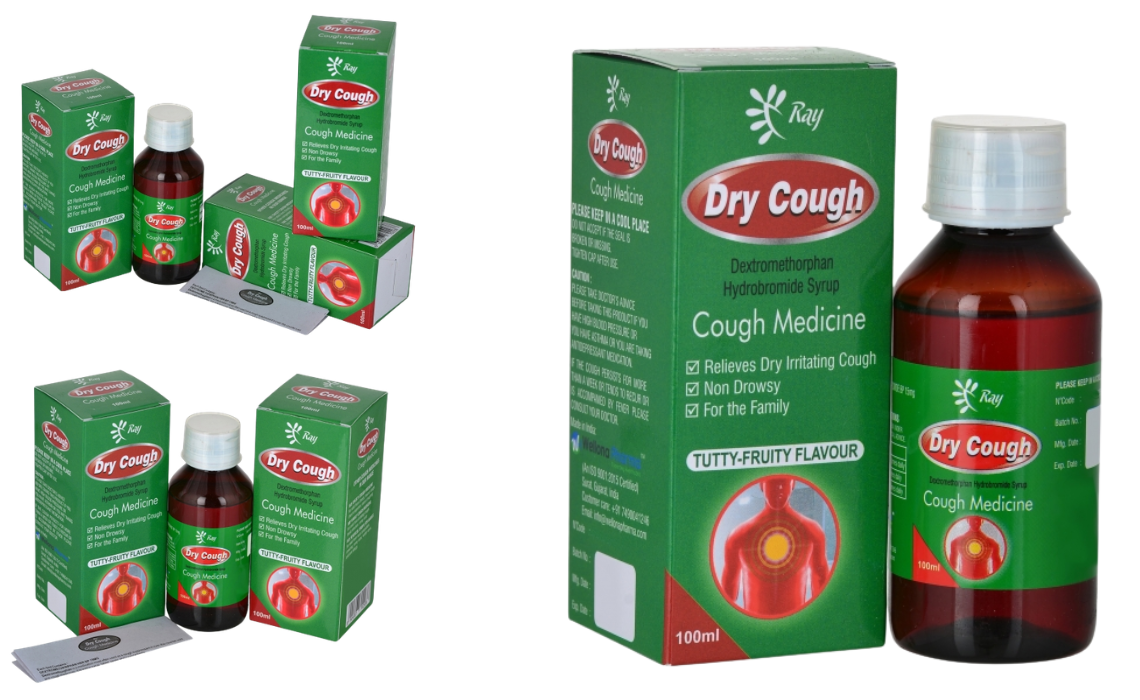
Cough suppressants, also known as antitussives, are intended to reduce the cough reflex in appropriate circumstances. They may be considered for selected cough presentations according to the active ingredient, product labeling and professional guidance.
For B2B procurement teams, relevant checks include the active ingredient, approved indications, age-related restrictions, labeling requirements and destination-market regulations. These details are particularly important when sourcing products for markets with different rules governing non-prescription medicines.
Expectorant formulations are intended to help loosen or clear mucus from the respiratory tract. The suitability of an expectorant depends on the patient's symptoms, the ingredients in the product and applicable medical guidance.
When evaluating an expectorant syrup, pharmaceutical companies should review its composition, approved claims, product specifications and packaging. They should also confirm whether the proposed formulation meets local requirements for labeling, storage and distribution.
Mucolytics are designed to help reduce the thickness or viscosity of mucus, making it easier to clear in appropriate clinical situations. They are distinct from cough suppressants, although some products may combine ingredients from different therapeutic categories.
Buyers should not assume that all mucolytics are interchangeable. The active ingredient, concentration, approved indications, contraindications and patient instructions need to be reviewed for each product. Any proposed combination should also be assessed against the regulatory requirements of the intended market.
Combination cough syrups contain two or more active ingredients selected for specific product purposes. Depending on the formulation, ingredients may address cough, mucus or other associated symptoms. The exact composition varies, and products with similar marketing descriptions may have different ingredients.
For importers and distributors, composition-level review is essential. Confirm each active ingredient and its strength, check for overlapping ingredients, review approved labeling and verify whether the combination is permitted in the target country. Marketing materials should describe the product accurately and avoid claims beyond its authorized indications.
Herbal cough syrups form another segment of the market. Their compositions may include plant-derived ingredients, and their regulatory classification and permitted claims depend on the jurisdiction and product presentation.
Businesses considering herbal formulations should assess ingredient identity, specifications, quality documentation, labeling and evidence supporting any proposed claims. The word “herbal” should not be treated as a substitute for appropriate quality controls or regulatory compliance.
These categories represent the wider cough formulation market. Pharmaceutical buyers should request a current product list to establish which specific formulations a prospective manufacturer can supply.
The first step is to establish whether a supplier can meet the actual product requirement. Buyers should share the desired formulation, active ingredients, strength, pack size, estimated quantity and target market. They should also ask about minimum order quantities, production lead times and the process for confirming an order.
Wellona Pharma provides information about its pharmaceutical manufacturing services on its contract manufacturing page, including its stated capabilities for liquid syrups and other dosage forms. Prospective customers can use this information as a starting point and confirm the suitability of specific cough formulations directly with the company.
Quality is a critical consideration when sourcing liquid pharmaceutical products. A buyer should understand how the manufacturer controls incoming ingredients, production operations, in-process checks, finished-product testing, batch records and product release.
For cough syrups, relevant quality considerations may include ingredient identity, strength, appearance, pH where applicable, microbial quality, packaging integrity and stability. The specific tests and acceptance criteria depend on the formulation, applicable pharmacopoeial standards and regulatory requirements.
Supply-chain controls for ingredients and excipients are equally important. The U.S. Food and Drug Administration has highlighted the importance of testing certain raw materials, including glycerin, for contamination risks involving diethylene glycol and ethylene glycol. Pharmaceutical buyers can review the FDA's information on safeguards for cough medicines for additional context.
Buyers should verify the applicable licences, certifications and quality documentation for the manufacturing facility and product. General company information should not replace product-specific due diligence.
Packaging protects the product and helps preserve its quality throughout storage and distribution. Buyers should confirm the approved bottle or container, closure, pack size, label details and any supplied measuring device. Packaging materials must be suitable for the formulation and compliant with the intended market's requirements.
Labels should accurately identify the product, ingredients, strength, instructions, warnings, storage conditions, batch details and expiry information as required by the applicable regulations. For products intended for children, age restrictions and dosing instructions deserve particular attention.
Pharmaceutical regulations vary by country, so a product's availability in one market does not guarantee that it can be marketed in another. Importers should establish the applicable registration pathway, labeling rules, import permissions and documentation requirements before confirming a commercial order.
Depending on the product and market, documentation may include product specifications, a certificate of analysis, stability information, manufacturing details and other records required by the buyer or regulatory authority. Responsibilities for product registration and local compliance should be clearly defined in the commercial agreement.
Third-party manufacturing can provide pharmaceutical companies with access to external production capabilities without requiring them to establish every manufacturing operation themselves. It may be relevant to established brands, distributors developing a product portfolio and businesses seeking a manufacturing partner for specified formulations.
Before proceeding, buyers should agree on the product specification, ingredient composition, packaging, quality responsibilities, documentation, production schedule and commercial terms. They should also clarify how changes to a formulation, label or manufacturing process will be evaluated and approved.
Wellona Pharma outlines its services for pharmaceutical businesses on its third-party manufacturing page. Companies interested in cough syrup manufacturing can share their requirements to discuss feasibility and confirm which formulations and arrangements may be available.
Responsible cough medicine marketing begins with accurate product information. A cough can have several causes, and not every cough requires medication. Promotional content should explain the authorized purpose of a formulation without suggesting that one product is appropriate for every patient or symptom.
Extra care is necessary with pediatric products. Age restrictions, ingredient combinations and dosing instructions vary by formulation and jurisdiction. The FDA's guidance on cough and cold medicines for children explains why certain products may pose serious risks for young children and why label instructions matter. Pharmaceutical businesses should follow the applicable local guidance and approved product labeling.
Manufacturers, distributors and brand owners should ensure that their sales materials remain consistent with authorized indications. Clear product information helps healthcare professionals and customers understand the intended use while supporting responsible supply practices.
A practical procurement process starts with a clear product brief. Identify the required formulation, ingredients, strength, pack size, target country, expected order volume and preferred delivery schedule. This allows a potential supplier to assess the request more efficiently.
Next, evaluate product documentation, manufacturing capabilities, quality processes, regulatory requirements and supply terms. Confirm whether the product is available in the required presentation and whether any market-specific packaging or documentation needs can be met. Avoid assuming that a listed product is immediately available for every order or destination.
It is also useful to establish communication procedures for order updates, document review, quality complaints and changes to supply requirements. Comparing suppliers against consistent criteria gives procurement teams a more complete view than price alone and can support a more dependable long-term relationship.
A cough syrup manufacturer produces liquid formulations intended for specified cough-related uses. Depending on its portfolio, this may include cough suppressants, expectorants, mucolytics, combination products and herbal formulations. The available range should be confirmed with the manufacturer.
Expectorants are intended to help loosen or clear mucus, while mucolytics help reduce mucus thickness or viscosity. Their ingredients, uses and suitability differ, so products should be selected according to approved labeling and professional guidance.
Evaluate the supplier's manufacturing capabilities, product availability, quality systems, documentation, packaging options, regulatory readiness, production timelines and commercial terms. Verify relevant licences and product approvals before finalizing an agreement.
Wellona Pharma lists cough syrup formulations in its product gallery and provides information about its contract manufacturing services. Buyers should contact the company to confirm the current availability, specifications and manufacturing arrangements for their required products.
Include the required formulation or ingredients, strength, pack size, estimated quantity, target country, packaging requirements and any specific documentation needs. This information helps the supplier assess the enquiry and clarify feasibility and commercial terms.
Quality documentation supports product verification, traceability and assessment against applicable specifications. Buyers should confirm the documentation required for their product and market, including relevant testing, stability and batch-release records.
For pharmaceutical importers, wholesalers, distributors and brand owners, choosing a suitable cough syrup manufacturer requires a balanced assessment of product availability, quality systems, documentation, regulatory requirements and supply capabilities.
Wellona Pharma is based in Surat, Gujarat, India, and offers a range of pharmaceutical formulations. Businesses can review the syrup category and the product gallery before contacting the company about specific cough syrup requirements.
Looking for a cough syrup manufacturing or supply partner? Visit the Wellona Pharma contact page to submit your enquiry. Share the required formulation, strength, pack size, destination market and estimated quantity so the team can review your requirements and confirm the available options.