
- E-mail : info@wellonapharma.com
- Call : +91-261-2571244
- Mob: +91-7490041245

Herbal formulations have an established place in many pharmaceutical and traditional medicine markets. For pharmaceutical companies, distributors, wholesalers and brand owners, working with a reliable Herbal Syrup Manufacturer can help them explore liquid formulations suited to their target markets. However, successful sourcing involves more than choosing botanical ingredients. Raw material quality, formulation consistency, product stability, packaging, regulatory compliance and supporting documentation all need careful consideration.
Herbal syrups may contain botanical extracts or other plant-derived ingredients, either individually or in combinations. Their composition, intended use and regulatory classification can vary considerably. Pharmaceutical buyers should therefore evaluate each formulation individually and verify its suitability for the intended market before making commercial commitments.
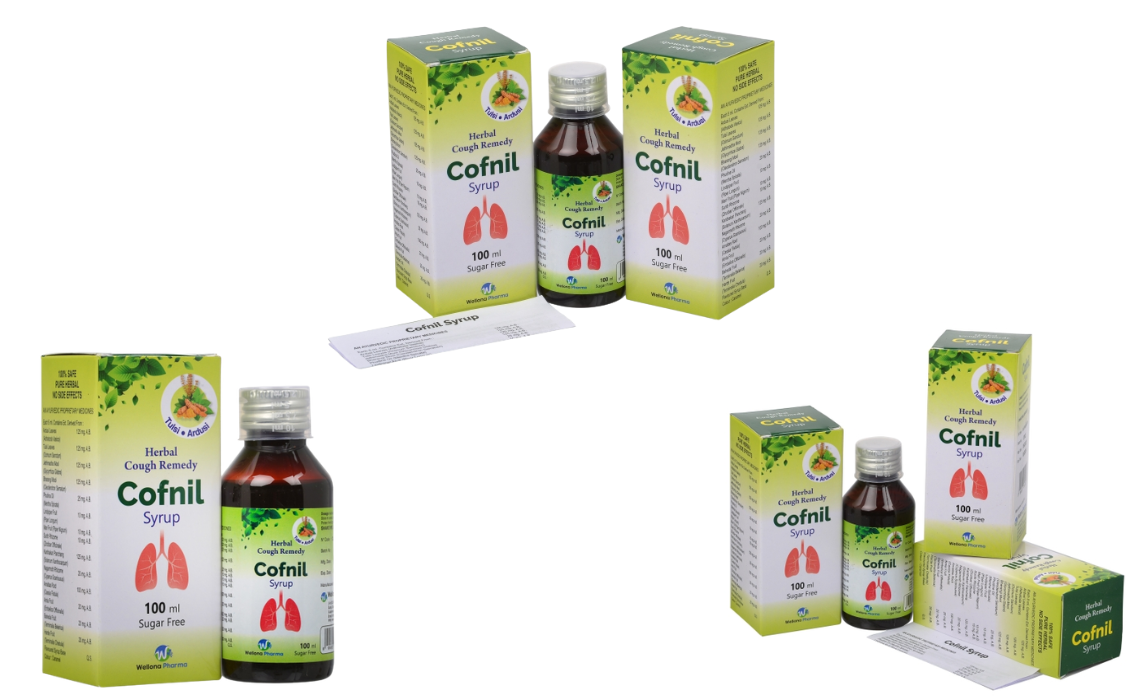
Wellona Pharma is a pharmaceutical manufacturer and exporter based in Surat, Gujarat, India. Businesses interested in liquid formulations can explore the company's syrup category and contact its team to enquire about available herbal syrup formulations, product specifications and manufacturing options.
Herbal syrups are liquid preparations that may contain plant-derived ingredients such as extracts, concentrates or other permitted botanical materials. Depending on the formulation and its regulatory classification, the product may be marketed as a traditional medicine, herbal product, dietary supplement or another recognised category.
The formulation determines its composition, processing requirements, storage conditions and labelling obligations. Some products may contain a single botanical ingredient, while others combine several ingredients. In multi-ingredient formulations, compatibility, ingredient identity and consistency become particularly important during product development and manufacturing.
For pharmaceutical brands, the first step is to define the product requirement clearly. This includes identifying the intended market, target consumer group, proposed product category, preferred packaging and applicable regulatory pathway. Buyers should also verify that any intended product claims are permitted and supported by appropriate evidence.
The World Health Organization provides useful background on traditional, complementary and integrative medicine. Its resources can help businesses understand the broader context of traditional and herbal health products, while specific product decisions must follow the regulations applicable to the destination market.
Herbal syrups may offer pharmaceutical brands an opportunity to develop liquid products within an existing or planned portfolio. Depending on the formulation and market, brands may consider different botanical ingredients, product presentations and packaging configurations. Actual demand and suitability should be evaluated using local market research, customer requirements and regulatory guidance rather than assumptions about consumer preferences.
For importers and distributors, the value of a potential product depends on its technical specifications, legal marketability, supply reliability and commercial viability. A product that fits a brand's portfolio should also have a clearly defined composition, appropriate documentation and a realistic supply plan.
Before selecting a herbal syrup, buyers should consider:
These checks help pharmaceutical businesses compare products based on evidence and suitability rather than relying on broad descriptions such as natural, herbal or traditional.
Raw material quality is one of the most important considerations in herbal syrup manufacturing. Botanical ingredients can vary according to species, growing conditions, harvesting practices, processing methods and storage. Correct identification and suitable quality controls are therefore essential to help ensure that the materials used meet their defined specifications.
A responsible supplier evaluation should consider how botanical ingredients are identified, sourced, stored and assessed before use. Depending on the ingredient and applicable requirements, testing may address identity, purity, strength, moisture content, microbial quality and potential contaminants.
Potential contaminants can include heavy metals, pesticide residues, microbial contamination or other substances relevant to the material and supply chain. The appropriate testing programme should be based on a documented risk assessment and the applicable standards rather than a generic checklist applied identically to every botanical ingredient.
The World Health Organization's resources on quality control methods for herbal materials provide a useful reference for understanding the importance of identifying and assessing herbal raw materials. Pharmaceutical buyers should request relevant supplier documentation and confirm which tests and specifications apply to the finished product under consideration.
Manufacturing herbal syrups requires suitable controls over ingredient handling, formulation, processing, filling and packaging. The exact process depends on the product's composition and manufacturing method. Documented procedures help establish consistent production practices and support investigation if a batch does not meet its required specifications.
Important manufacturing considerations may include:
Herbal formulations can present particular challenges when ingredients have naturally variable characteristics or when several botanical materials are combined. Clear specifications and suitable controls can help manage this variation. Buyers should ask how the manufacturer assesses consistency and which quality documents are available for the particular product.
Businesses can review Wellona Pharma's quality control and quality assurance information and quality policy. Product-specific controls, documentation and manufacturing capabilities should be confirmed directly before an order is placed.
Packaging plays an important role in maintaining the quality of a herbal syrup during storage, transportation and distribution. The selected bottle and closure should be compatible with the formulation and suitable for the expected handling conditions. Packaging decisions should consider the product's physical properties, storage requirements and applicable regulatory standards.
Depending on the formulation, buyers may need to evaluate:
Shelf life should be supported by appropriate stability information for the specific product. It should not be estimated solely from the fact that the ingredients are plant-derived or from the shelf life of a similar formulation. Buyers should request the relevant product information and verify the recommended storage conditions before planning distribution.
Regulatory classification is a critical consideration for herbal syrup manufacturers and pharmaceutical brands. Depending on the country, ingredients, intended use and product claims, a herbal syrup may be regulated under different frameworks. Requirements for traditional medicines, herbal medicinal products, foods and dietary supplements are not necessarily the same.
Before introducing a product into a new market, businesses should confirm:
International buyers should consult the relevant authorities or a qualified regulatory adviser in their destination market. They should also establish which documents the manufacturer can provide and which submissions or approvals must be arranged by the importing business.
Third-party manufacturing can be an option for pharmaceutical companies and brand owners seeking to source herbal syrups from an external manufacturing partner. Depending on the manufacturer's capabilities, available formulations and applicable regulations, businesses may explore existing products or discuss a defined product requirement.
Before entering into an arrangement, buyers should confirm whether the requested botanical ingredients and formulation are available. They should also establish the manufacturing scope, product specifications, quality responsibilities, packaging arrangements, minimum order quantities and expected production timelines.
For a potential manufacturing project, the discussion should cover:
Businesses can explore Wellona Pharma's third-party manufacturing services and contract manufacturing information to understand the available service options. Specific herbal formulations, customisation possibilities and commercial conditions must be confirmed directly with the company.
Choosing a manufacturing partner requires an assessment of technical suitability, quality practices, regulatory support and commercial reliability. A structured approach can help pharmaceutical companies make informed decisions and avoid relying on price or product descriptions alone.
A reliable supplier relationship is built on clear information, realistic commitments and documented expectations. These factors can support better coordination between manufacturers, brand owners, importers and distributors.
A herbal syrup manufacturer produces liquid formulations containing botanical ingredients according to defined product specifications. The available formulations depend on the manufacturer's portfolio, technical capabilities and applicable regulatory approvals.
Buyers should review botanical identity, ingredient composition, product specifications, quality documentation, stability information, packaging, regulatory status and supply terms. Current availability should be confirmed directly with the manufacturer.
Quality assessment may include raw material identification, purity and contaminant testing, finished-product specifications, microbiological controls and stability evaluation. The required checks depend on the formulation and applicable standards.
Third-party manufacturing may be an option if the requested formulation is within the manufacturer's capabilities and meets applicable regulatory requirements. Buyers should confirm product availability, order quantities, quality responsibilities and commercial terms.
No. Regulatory requirements depend on the destination country, product classification, ingredients, intended use and claims. Importers should verify the relevant rules before marketing or distributing a product.
Depending on the product and market, buyers may need ingredient specifications, finished-product specifications, applicable test reports, stability information, batch documentation and regulatory documents. The required list should be agreed before purchase or registration.
Selecting the right Herbal Syrup Manufacturer involves more than identifying a suitable product. Pharmaceutical brands should consider botanical quality, manufacturing controls, packaging, stability, regulatory compliance and the supplier's ability to meet agreed requirements.
Wellona Pharma, based in Surat, Gujarat, India, offers pharmaceutical manufacturing and export-related services across multiple product categories. Explore the company's syrup category and discuss your requirements to confirm whether suitable herbal syrup formulations are currently available.
Looking for a herbal syrup supplier or manufacturing partner for your pharmaceutical brand? Contact Wellona Pharma to enquire about available formulations, product specifications, quality documentation and potential third-party or contract manufacturing arrangements.